Blog
What to Put on a Teen Wishlist: 50+ Ideas Teens Actually Want (And Parents Will Approve)
Building a wishlist with a teenager is harder than it sounds. Here are 50+ teen wishlist ideas by category and budget, plus how to structure a list that grandparents can actually shop from.
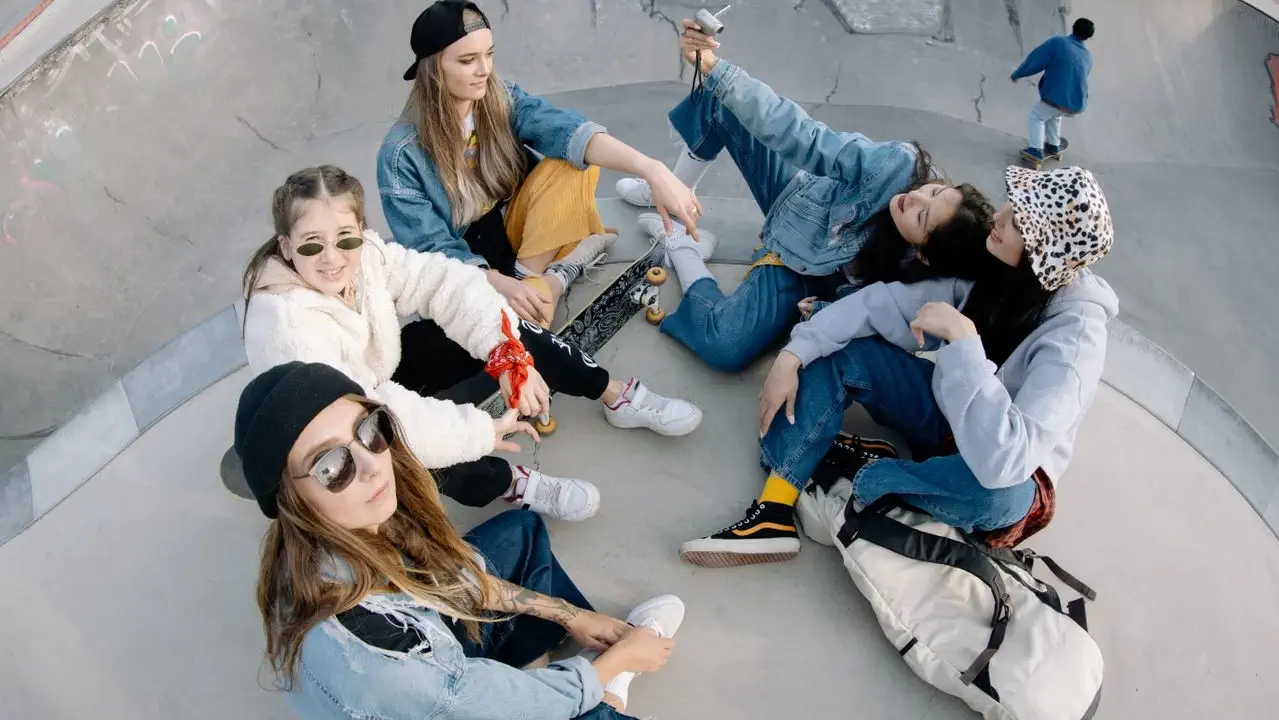
My daughter turned thirteen this year, and something shifted. The girl who used to hand me a crayon-scrawled list of toys now shrugs when I ask what she wants for her birthday. “I don’t know,” she says, looking at her phone. “Just, like, stuff.” I pressed her for specifics. “Money?” I offered. She looked up. “Maybe a gift card?” she said, in the tone of someone who’s just been offered an insult. “No. Not a gift card. I want, like, actual things. But I don’t know what.”
This is the paradox of the teenager. They have strong opinions about everything, but when you ask them to articulate what they actually want, they freeze. It’s partly developmental — identity is still forming — and partly practical. Teen wishlists get complicated fast, because the things teens want are often expensive, specific, and change monthly. And grandparents, aunts, and family friends who want to buy for them are left guessing, which is why so many teenagers end up with a pile of clothes they won’t wear and gift cards they don’t want.
So I did what I do. I built a system. And over the past year, my daughter and I have refined it into a teen wishlist template that actually works — one that gives her some control, gives her givers some clarity, and keeps the surprise alive. This post is the full breakdown, plus 50+ specific ideas organized by category and price point.
Why Teen Wishlists Are Their Own Beast
Teen wishlists are different from kid wishlists and adult wishlists in three specific ways.
The price range is weird. A seven-year-old wants a $20 toy. An adult might want a $75 kitchen gadget. A teenager wants a $15 lip gloss, a $200 pair of sneakers, and a $400 gaming console, often in the same breath. The list needs to span that entire range and make each price point feel equally viable.
The taste is hyper-specific. “A hoodie” is meaningless to a teenager. They want that hoodie, in that color, from that brand. Specificity is everything, and vagueness produces the kind of polite smile that means the gift is going to sit in the closet.
The social dynamics matter enormously. A teenager does not want their grandmother to know they’re into something embarrassing. They don’t want their aunt’s neighbor to see their list. And they definitely don’t want to feel like they’re begging. The whole process needs to feel private, dignified, and easy.
Which is why the hidden-reservation system I’ve written about for birthday parties and holiday exchanges works so well here. The teen gets to build a list they’re proud of. The givers get clear guidance. And nobody sees anyone else’s reservations, so the teenager doesn’t have to know that Grandma claimed the sweater, or that their uncle is splitting the headphones with their aunt.
A Personal Story: The Wishlist That Ended the Gift Card Cycle
Let me tell you how this actually played out with my daughter, Ella.
For her twelfth birthday, we did the traditional thing. I texted her aunts, uncles, and grandparents and asked what they wanted to get her. Everyone asked what she wanted. I asked Ella. She said “I don’t know.” I passed that along. The relatives defaulted to gift cards — three different gift cards to three different stores, none of which matched where she actually shops. She was grateful. She was also a little disappointed. “I wanted, like, an actual gift,” she told me a few weeks later. “Gift cards feel like they didn’t want to think about it.”
That stung, partly because I knew it was true. Nobody had wanted to think about it, because thinking about a teenage girl’s taste is genuinely hard.
For her thirteenth birthday, I decided to do it differently. A month before, I sat down with Ella and said, “Let’s build you a real wishlist. Not a list for me. A list for everyone who loves you and wants to buy you something but doesn’t know what you’d like. We’ll make it detailed, we’ll make it fun, and we’ll keep it private so it doesn’t feel weird.”
She was skeptical. She’s a teenager. Skepticism is the default. But she agreed to try.
We built the list over a few evenings, sitting on the couch, scrolling through her saved posts and Pinterest boards and the brands she follows. We included things at every price point. And we used Giftly Lists to set it up — which meant that when I shared the link with family, they could see what had been claimed, but Ella couldn’t see any of it.
The results were remarkable. Her aunt claimed the hoodie from the brand she’d been eyeing for months. Her grandmother claimed a set of art supplies Ella had been wanting for her drawing hobby. Her uncle — who had given her a gift card the year before — contributed toward a pair of sneakers she’d been saving for. And a couple of family friends claimed smaller items: a specific lip gloss, a set of cute hair clips, a book she’d been wanting.
On her birthday, she opened eleven gifts. Every single one landed. She was surprised by several of them — the sneakers especially, because she’d contributed the link and then forgotten what was on the list. And when she opened the card from her uncle that explained he’d contributed to the sneakers, she actually teared up. “He never knows what to get me,” she said. “I can’t believe he did this.”
That’s the thing. The wishlist didn’t just solve the logistics. It solved the relationship problem. Her family now knows her better because she was given a clear, dignified way to tell them.
The Categories That Work for Teen Wishlists
Based on what worked for Ella and what I’ve observed across other families, here are the categories that fit a teen wishlist well.
Clothing and accessories. Specific items from specific brands. “A cream-colored oversized hoodie from [brand]” or “a pair of black platform sneakers, size 8.” These are the most-requested items and the most likely to be wrong without specificity.
Beauty and skincare. A specific lip gloss, a sheet mask set, a skincare product from a brand they follow. Teen beauty is a world unto itself, and specificity is essential. “Drunk Elephant anything” is not a good list item. “The Drunk Elephant D-Bronzi drops” is.
Tech and gadgets. Headphones, a phone case, a portable charger, a ring light, a tablet stand, a gaming accessory. These are the items that often end up as group gifts, because the prices can be high.
Hobbies and creative pursuits. Art supplies, a journal, a camera, a musical instrument accessory, a drawing tablet. The things that support what they actually do with their free time.
Books and media. A specific novel, a manga series, a record or vinyl, a streaming subscription, an audiobook service.
Room decor and vibe. Fairy lights, a tapestry, a cool lamp, a plant, a set of shelves. Teenagers often care about their room’s aesthetic more than anyone else in the house.
Experiences. Concert tickets, a day at an amusement park, a spa day, a weekend trip with a friend, a class in something they’ve been wanting to try.
Sentimental and meaningful. A piece of jewelry with their birthstone, a photo book of a meaningful year, a framed print by an artist they follow. These cost less than most people expect and land harder than almost anything.
Money and gift cards — but done well. Not generic. A gift card to a specific store they actually shop at, or a contribution toward a larger purchase they’re saving for.
50+ Teen Wishlist Ideas by Category
Here’s the full list. Steal freely.
Clothing & Accessories (Under $50)
- A specific hoodie from a brand they follow
- A pair of platform sneakers
- A beanie in a color they’ll actually wear
- A crossbody bag
- A pair of statement earrings
- A stack of layered bracelets
- A soft oversized flannel shirt
- A pair of bike shorts for lounging
- A graphic tee from an artist they like
- A pair of chunky sunglasses
Beauty & Skincare ($10–$60)
- A lip gloss in a specific shade
- A set of sheet masks
- A jade roller or facial tool
- A hair claw clip set
- A nice-scented body mist
- A skincare starter kit from a brand they follow
- A nail polish set in on-trend colors
- A silk scrunchie set
- A set of press-on nails
- A travel makeup case
Tech & Gadgets ($20–$250)
- A pair of wireless earbuds
- A portable phone charger
- A ring light for video calls
- A phone case with a specific design
- A phone stand for their desk
- A Bluetooth speaker
- A gaming controller accessory
- A drawing tablet for digital art
- A compact digital camera
- A pair of over-ear headphones
Hobbies & Creativity ($15–$100)
- A set of high-quality markers
- A sketchbook with thick paper
- A paint set with real brushes
- A journal with a lock
- A set of fancy gel pens
- A music stand or instrument accessory
- A crochet or knitting starter kit
- A baking kit with a piping set
- A set of acrylic paints and canvases
- A camera strap in a color they like
Books & Media ($10–$60)
- A specific novel they’ve been wanting
- A boxed set of a series they love
- A manga volume they don’t have yet
- A vinyl record of an album they love
- An audiobook subscription
- A subscription to a magazine they’d actually read
- A graphic novel collection
- A journal or notebook from a brand they follow
- A poster or print of a movie they love
- A book of poetry by an author they follow
Room & Decor ($15–$75)
- A set of fairy lights
- A tapestry for their wall
- A cute desk lamp
- A small potted plant
- A set of floating shelves
- A mirror with LED lights
- A beanbag or floor cushion
- A set of framed prints
- A cool laundry hamper
- A cozy throw blanket
Experiences ($25–$500+)
- Concert tickets for a band they love
- A day at a theme park with a friend
- A spa day
- A cooking class
- A pottery or ceramics workshop
- A gift certificate to a local coffee shop
- A weekend trip with a friend
- A photography workshop
- A rock climbing gym day pass
- Tickets to a sporting event
Meaningful & Sentimental ($20–$150)
- A piece of jewelry with their birthstone
- A custom phone case with photos
- A photo book of a meaningful year
- A framed print by an artist they follow
- A personalized necklace with their initial
- A star map of a meaningful date
- A handwritten letter from a grandparent
- A quilt or blanket made by a family member
- A Polaroid camera with film
- A leather-bound journal with their name stamped on it
How to Structure the List So Family Actually Uses It
The categories are the easy part. The structure is what makes a teen wishlist actually work in practice.
Start with the teenager’s own input, but guide it. Sit with them for the first session and ask open questions. “What have you been saving up for?” “What’s something you’d buy if you had $50 you didn’t have to save?” “What’s something you’ve seen that made you stop and look?” Their answers will be gold.
Encourage a wide price range. Aim for at least three items under $25, five or six in the $25 to $75 range, and two or three bigger items that could be group contributions. This gives everyone a way to participate.
Write specific notes for each item. “A cream-colored oversized hoodie from [brand], size medium” beats “a hoodie.” The specificity is what prevents the disappointed smile.
Include a mix of fun and practical. Socks. A phone charger. A set of pens for school. These aren’t the fun items, but grandparents especially love to give them, and the teenager will actually use them.
Use a platform with hidden reservations. This is the piece that makes the whole thing work without awkwardness. Giftly Lists was designed for exactly this. The teen creates the list, the parent or another adult shares the link with family, and everyone can see what’s been claimed except the teenager. The teen still gets to be surprised. And because there’s no account required for givers, even less tech-savvy relatives can participate.
Share it with a short, warm message. Something like: “Ella put together a birthday wishlist if anyone wants ideas. You can see what’s been claimed, but she can’t see any of it — so the surprises stay safe. No pressure at all, just sharing for anyone who’d like to use it.” For a deeper dive on the etiquette side, my post on sharing a wishlist without feeling greedy covers the language that works.
Set a deadline. Ten days before the event. Note it in the original message.
Remind the teenager to update the list. A list that was built a month ago might be out of date. Have the teen look at it a week before the event and remove anything they’ve bought themselves or no longer want.
Handling the “But I Want to Surprise Them” Problem
Some family members will resist using the wishlist. They want the joy of choosing something themselves. That’s a lovely instinct, and you don’t want to suppress it. The wishlist should be an option, not a mandate.
A good framing: “The list is there for anyone who wants ideas, but if you have something specific in mind, go for it. It’s not a requirement.” This gives the would-be creative gift-giver the freedom to do their thing while giving the rest of the family a structure.
The best of both worlds is when the creative relative uses the list as inspiration and then adds their own touch. My aunt does this. She picks an item off the list, but she always pairs it with a handwritten note about why she chose it, or she adds a small extra. The combination of list-guided and personally-chosen is often the sweet spot.
What to Do With a Teen Who Says “I Don’t Want Anything”
Some teens genuinely resist the entire concept of a wishlist. They think it’s greedy. They’re embarrassed to ask for things. Or they simply don’t know what they want. Here are a few approaches that work.
Reframe the request. “This isn’t for you. It’s for your grandmother, who’s going to worry about what to get you and probably get the wrong thing. Help her out.” Teens are often more receptive when they feel like they’re doing a kindness for someone else.
Start with a small list. Five or six items rather than twenty. Small lists feel less demanding.
Let them curate over time. A list doesn’t have to be finished in one sitting. Start with two or three things, and add as inspiration strikes.
Offer a “future fund” option. Some teens would rather have contributions toward something they’re saving for — a laptop, a trip, a car — than a pile of physical gifts. A group contribution item in the list lets them receive both the practical benefit and the feeling of being generously supported.
Respect a genuine no. If the teen really doesn’t want to do it, don’t force it. Give the family a general sense of their interests and let them wing it, or coordinate a group contribution to something the teen will genuinely appreciate later. The wishlist is a tool, not a requirement.
A Note on the Teen’s Privacy
I want to end with something important. Teenagers are intensely private. Their tastes, their hobbies, their crushes, their favorite brands — these things feel enormously personal to them, and the wishlist process needs to respect that.
That means: don’t share the list beyond the family members who actually need to see it. Don’t post about it on social media. Don’t add it to a group chat with forty people. Don’t discuss it out loud in front of the teenager’s friends. And don’t use the wishlist as an opportunity to interrogate them about their interests. The list should be a safe, dignified space where they get to express who they are.
The hidden-reservation system supports this privacy naturally. Only the people you send the link to can see the list, and only the teen’s direct givers see the reservations. Nobody else knows anything. That’s the right amount of visibility for a teen wishlist — enough for the family to coordinate, not so much that the teenager feels exposed.
The Bottom Line
A teen wishlist is more than a gift list. It’s a way for a young person to figure out what they actually want, and to communicate that to the people who love them. It’s a way for family members to feel confident that their gift is landing. And it’s a way to preserve the surprise, which — even for a teenager who pretends not to care — is genuinely delightful.
My daughter’s thirteenth birthday was the first one where she actually seemed moved by the gifts. Not because they were more expensive. Because they were hers. Someone had listened. Someone had looked at the list she’d built and picked something that fit her actual taste. That’s the gift that mattered.
So if you’re the parent of a teenager, or the relative of one, or the teenager yourself, build the list. Use the system. And then, on the day, watch the genuine surprise land.
Ready to build a teen wishlist that actually works? Giftly Lists lets you create a detailed list, share one link with family, and keep every reservation hidden — so the teenager stays genuinely surprised. Free on iOS for up to 3 lists. Download on the App Store and start the list today.