Blog
What to Put on a Wishlist: 75+ Ideas for Every Occasion, Budget, and Personality
Staring at a blank wishlist is harder than it sounds. Here are 75+ wishlist ideas organized by category, price point, and personality — plus how to build a list people actually enjoy shopping from.
I once spent forty-five minutes staring at a blank wishlist. Forty-five minutes. My wife had asked me to put together a list of things I wanted for my birthday, and I sat there with my phone in my hand, cursor blinking, completely paralyzed. I could think of things I needed — new socks, a replacement phone charger, a car wash — but those felt too boring to ask for. I could think of things I wanted — a new guitar, a weekend away, a fancy espresso machine — but those felt too extravagant. So I wrote nothing, closed the app, and told her “I don’t really need anything.” She sighed. I sighed. Nobody won.
What I’ve learned since then is that most people aren’t bad at making wishlists. They’ve just never been taught how. We’re conditioned to think that asking for specific gifts is demanding, so we default to vague non-answers that leave our loved ones floundering. But a good wishlist isn’t a demand. It’s a map. It’s a way of saying, “Here are the things that would genuinely make me happy, at a range of price points, so you can choose what works for you.” That’s not greedy. That’s helpful.
So I want to do something practical today. I’ve compiled a list of over 75 wishlist ideas, organized by category and price point, along with some guidance on how to build a list that people actually enjoy shopping from. Whether you’re making a list for yourself, helping a kid build one, or trying to inspire someone who claims they “don’t want anything,” this should give you plenty to work with.
Why Most Wishlists Fail
Before we get to the ideas, let’s talk about what makes a wishlist fail. I’ve seen dozens of wishlists in my years of coordinating gifts, and the bad ones tend to share a few traits.
They’re too vague. “Something for the kitchen” doesn’t help anyone. “A cast iron skillet, 10-inch, pre-seasoned” does. The more specific you are, the more confident your givers feel.
They’re all one price point. If everything on your list costs $200, anyone on a tight budget feels excluded. A good list has items at $10, $50, $100, and beyond.
They’re all the same category. A list that’s entirely books, or entirely gadgets, or entirely clothes, doesn’t give people much choice. Variety makes shopping more fun.
They skip the sentimental. The best gift is often the one that says “I was paying attention to who you are,” not “I bought you the thing you asked for.” Include a few items that have emotional weight — a photo book, a handwritten recipe collection, a framed print by an artist you love.
They don’t get updated. A wishlist that hasn’t changed in three years is a wishlist nobody checks. Refresh it regularly. Add new things. Remove things you’ve bought yourself.
Now, with that out of the way, here are the ideas.
Practical & Everyday (Under $25)
These are the small, useful things that make daily life a little nicer. They’re often the first items to get claimed because they’re affordable and universally appreciated.
- A high-quality water bottle (insulated, leak-proof, the kind that actually keeps ice for 24 hours)
- Wool socks — the thick, cozy kind that makes winter bearable
- A phone stand for your desk or nightstand
- A set of nice pens — not the office-supply kind, the ones that make signing a card feel fancy
- A car phone mount that doesn’t fall off
- A compact umbrella that fits in a bag
- A keychain multitool
- A set of cloth napkins — reusable, washable, surprisingly transformative for dinners
- A rechargeable hand warmer for winter commutes
- A quality notebook — hardcover, fountain-pen-friendly paper
Home & Kitchen ($25–$75)
This is where things get fun. These items are practical but also genuinely enjoyable to use.
- A cast iron skillet — the 10-inch size is the workhorse of any kitchen
- A Dutch oven — the real one, enameled, heavy, the kind that lasts decades
- A set of good kitchen knives — even just a chef’s knife and a paring knife makes a difference
- A pour-over coffee setup — a Chemex or a V60, plus a gooseneck kettle
- A nice cutting board — end-grain wood, big enough to actually use
- A set of glass food storage containers — the kind with locking lids
- A coffee grinder — burr grinder, not blade, if you’re serious about coffee
- A set of linen sheets or a linen duvet cover
- A really good pillow — the one you’d never buy for yourself
- A weighted blanket for cold nights and anxious evenings
- A smart speaker for the kitchen — for timers, music, and asking dumb questions
- A nice tea kettle — stovetop or electric, whatever fits your life
- A set of spice jars — matching, labeled, aesthetically pleasing
- A bread maker, if you’ve been meaning to try baking
- A countertop compost bin — small, clean, surprisingly useful
Tech & Gadgets ($25–$200)
These are the things people want but rarely buy for themselves, because they feel like splurges.
- A Kindle or e-reader — the Paperwhite is a classic for a reason
- A portable charger — high-capacity, fast-charging, the one that saves you on trips
- A Bluetooth speaker — small, waterproof, good for showers and picnics
- A pair of good headphones — noise-canceling if you commute, open-ear if you don’t
- A fitness tracker or smartwatch
- A tablet stand for your desk or kitchen
- A desk lamp with adjustable color temperature
- A webcam upgrade for video calls
- A mechanical keyboard — if you type a lot, this is a game-changer
- A wireless charging pad or stand
- A smart plug set — for lamps, fans, holiday lights
- A label maker — weirdly satisfying once you have one
- A digital photo frame — pre-loaded with family photos is even better
- A noise machine for better sleep
- A ring light for video calls or content creation
Books & Media ($10–$50)
Books are the easiest gift to give well, because the right one says “I know you.”
- A specific novel you’ve been meaning to read
- A cookbook by a chef you follow
- A coffee table book on a topic you love — travel, art, design, nature
- A subscription to a magazine you actually read
- A journal with prompts — for gratitude, reflection, or creativity
- A poetry collection by a poet you admire
- A boxed set of a series you’ve been meaning to reread
- An audiobook subscription
- A book about a hobby you’re into
- A children’s book you loved as a kid — for nostalgia or for a future child
Experiences & Contributions ($25–$500+)
This is where the hidden-reservation model really shines, because it lets multiple people chip in on something meaningful. I’ve written extensively about experience gifts, and they’re often the most memorable gifts of all.
- A contribution toward a trip — a weekend away, a longer vacation, a dream destination
- A cooking class — Italian, Thai, sushi, pastry
- A pottery or ceramics class
- A wine tasting or brewery tour
- Concert tickets — for a band you love, or one you’ve always wanted to see
- Theater or musical tickets
- A spa day — massage, facial, the works
- A museum or botanical garden membership
- A national parks pass
- A gift certificate to a local restaurant you’ve been wanting to try
- A photography workshop
- A dance class — salsa, swing, whatever sounds fun
- A rock climbing gym membership
- A subscription box — coffee, wine, cheese, books, plants
- A contribution toward a big purchase — a new laptop, a piece of furniture, a bike
Hobbies & Crafts ($20–$100)
If you have a hobby, put it on the list. People love giving gifts that support your passions.
- A set of watercolor paints — the good ones, not the kids’ set
- A sketchbook with quality paper
- A crochet or knitting kit — yarn, hooks, a pattern book
- A woodworking tool — chisel, plane, saw
- A gardening kit — gloves, trowel, pruners, seeds
- A bird feeder and a bag of seed
- A camera lens or accessory
- A musical instrument accessory — strings, capo, picks, a stand
- A model kit — car, plane, ship, whatever you’re into
- A leatherworking starter kit
Self-Care & Comfort ($15–$75)
These are the gifts that say “I want you to feel good.”
- A really nice candle — soy, wood wick, a scent you love
- A weighted eye mask for sleep
- A set of bath salts or bath bombs
- A cozy robe — the kind you live in on weekends
- A pair of slippers with actual arch support
- A scalp massager
- A journal and a nice pen — for morning pages or evening reflection
- A subscription to a meditation app
- A set of silk pillowcases
- A heated blanket or a foot warmer
Sentimental & Personalized ($20–$100)
These are the items that carry emotional weight. They’re not always the first things people think to put on a list, but they’re often the ones that mean the most.
- A photo book of a trip or a year in review
- A custom illustration of your home or a favorite place
- A handwritten recipe collection from family members
- A framed print by a local artist
- A personalized piece of jewelry — a birthstone, a coordinate, a name
- A star map of the night sky on a meaningful date
- A custom song or poem written for you
- A letter from a loved one, saved in a nice envelope
- A quilt or blanket made by someone in your family
- A scrapbook of memories from a specific period
Kids & Family ($10–$100)
If you’re making a list for a child — or helping them make one — these are the categories that tend to work best. I’ve written more about this in kids’ birthday gift surprises.
- A specific Lego set
- A board game for family game night
- A craft kit — slime, jewelry, painting, building
- A chapter book series
- A stuffed animal of a specific animal they love
- A set of magnet tiles or building blocks
- A kids’ camera
- A scooter or bike accessory
- A science experiment kit
- A gift card to a local ice cream shop
Gift Cards & Contributions ($25–$500+)
Some people think gift cards are impersonal. I disagree. A gift card to a store someone actually shops at, or a contribution toward something they’re saving for, is a genuinely thoughtful gift. It says, “I trust you to choose what you want.”
- A gift card to a bookstore
- A gift card to a coffee shop they love
- A gift card to a home improvement store
- A gift card to a local restaurant
- A gift card to a spa or salon
- A contribution toward a savings goal
- A contribution toward a charity they support
- A contribution toward a hobby fund
- A subscription to a service they use — streaming, music, audiobooks
- A gift card to a grocery delivery service
How to Organize Your Wishlist So People Actually Use It
Now that you have ideas, here’s how to turn them into a list that works.
Group by category and price point. If your list is one long undifferentiated stream, it’s overwhelming. Sort it into sections — practical, fun, experiences, sentimental — and note the price range for each. This makes it easy for givers to find something that fits their budget and their relationship to you.
Write notes for each item. “A cast iron skillet” is fine. “A 10-inch cast iron skillet — I’ve been wanting to try making cornbread in one” is better. The note gives context and makes the gift feel personal.
Include a mix of “need” and “want.” Some people want to give you something practical. Others want to give you something fun. Give them both options.
Update it regularly. A wishlist that’s a year old is a wishlist nobody checks. Add new things as you discover them. Remove things you’ve bought yourself. A living list is a list that gets used.
Use a platform with hidden reservations. This is the part that makes the whole system work. If you’re using Giftly Lists, your givers can see what’s been claimed, but you can’t. That means you can share your list widely without spoiling your own surprises. I’ve written about how to share a wishlist without feeling greedy, and the short version is: hidden reservations change everything. You get the coordination benefits without the spoiler problem.
Share it clearly and warmly. When you send your list to someone, include a note that explains the hidden-reservation feature. Something like: “Here’s my wishlist for my birthday. The cool part: you can see what’s been claimed, but I can’t see any of it — so I’ll still be surprised. Use it if you’d like, no pressure at all.”
A Note on Making Lists for Other People
If you’re making a wishlist for someone else — a spouse, a child, a parent who won’t make their own — the process is slightly different. You’ll need to do a little reconnaissance. Talk to the people who know them best. Pay attention to what they mention wanting. Look at what they already own and love. Then build a list that reflects their actual tastes, not your assumptions.
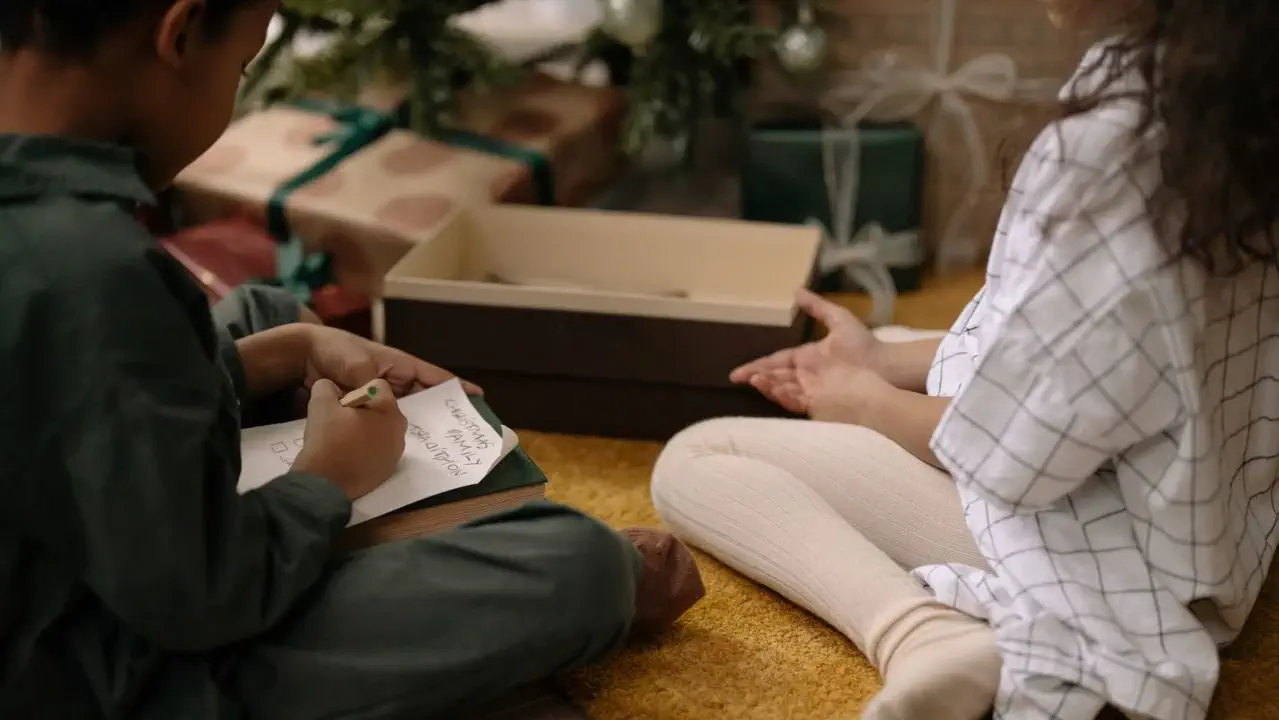
If you’re making a list for a child, involve them. Ask them what they’d love. Help them categorize. The process of making a list is itself a fun activity, and it teaches them to think about what they want and why. Plus, they’ll be more invested in the list if they helped make it.
The Bottom Line
A wishlist isn’t a demand. It’s a gift to the people who love you. It says, “I want to make this easier for you. I want you to feel confident that your gift will land. I want to experience the joy of being surprised by something I actually wanted.”
If you’ve been hesitant to make a list — because it feels greedy, or demanding, or awkward — I hope this post has changed your mind. The people in your life want to give you good gifts. They just need a little help. A well-made wishlist is that help. And with the right platform, it can preserve the surprise while making the whole process smoother for everyone.
So start your list. Add a few things. Share it with someone. And then let yourself be surprised.
Ready to build a wishlist that people actually enjoy shopping from? Giftly Lists lets you create lists with hidden reservations — so your givers can coordinate, and you can stay surprised. Free on iOS for up to 3 lists. Download on the App Store and start your list today.